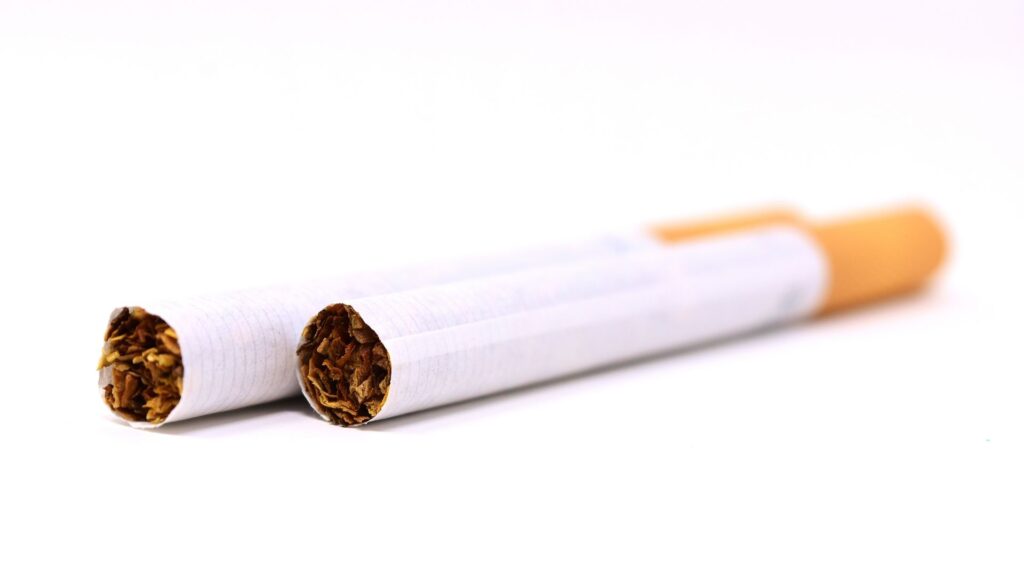
If you’ve ever wondered why one cigarette feels smooth while another burns your throat, you’re not alone. Harshness is one of the most common differences smokers notice when switching brands. It can come from the type of tobacco used, how it’s cured, the filter design, or even the paper the cigarette is wrapped in.
At CCW Delivery, we offer a range of Native and commercial cigarettes, so understanding why harshness happens helps customers choose the smoke that best fits their preferences.
What Defines a “Harsh” Cigarette
A cigarette tastes harsh when the smoke irritates the throat or feels overly strong on the inhale. This can be caused by higher nicotine yield, faster burn rate, or chemicals added to enhance flavor or shelf life. Harshness doesn’t always equal strength, but it often signals that the blend is more intense or the cigarette is engineered differently.
Tobacco Blend and Strength
The tobacco blend is the biggest factor influencing harshness. Full-bodied blends made from darker, stronger leaves naturally deliver a heavier hit. Lighter blends use milder leaves that feel smoother and easier on the throat.
Commercial brands sometimes add flavor enhancers or chemicals that amplify throat hit. Native cigarette brands, which often rely on simpler blends, tend to offer a cleaner taste that feels less harsh to many smokers.
Curing Method Matters
How tobacco is cured has a major impact on taste. The curing process affects moisture, aroma, and smoke temperature, all of which change how harsh a cigarette feels.
Common curing methods include:
- Air-cured tobacco: Produces a drier, stronger flavor that can feel harsher.
- Flue-cured tobacco: Naturally sweeter, smoother, and lighter on the inhale.
- Fire-cured tobacco: Bold and smoky, common in stronger blends with more bite.
Native brands that use careful curing techniques often create a more balanced flavor without sharp edges.
Additives and Chemicals
Some commercial brands use additives to change burn rate, moisture levels, or flavor consistency. These can increase throat irritation or create an artificial sharpness.
Additive-free Native cigarettes rely more on the natural tobacco leaf. Without humectants and preservatives, the smoke often feels cleaner—even in stronger blends.
Filter Design and Airflow
Filters do more than catch particles—they change how the cigarette feels.
A cigarette may feel harsher if:
- The filter is dense and restricts airflow
- It has fewer ventilation holes
- It uses a firmer draw profile
- The smoke is hotter as it enters the throat
Ventilated filters, common in light cigarettes, mix fresh air with smoke, creating a smoother, cooler inhale. Full flavor cigarettes typically have less ventilation, making the smoke feel stronger.
Paper and Burn Rate
Even the cigarette paper affects harshness. Fast-burning papers create hotter smoke, which can irritate the throat. Slow-burning papers produce a cooler draw that feels smoother.
Native brands often use thinner paper with a moderate burn, giving a more natural and controlled smoking experience.
Freshness and Storage
Stale cigarettes can feel significantly harsher. Dry tobacco burns too quickly and produces hotter smoke, while overly moist cigarettes may burn unevenly.
If your cigarettes suddenly feel harsher than usual, poor storage or dryness could be the cause.
Why Some Smokers Prefer a Stronger Hit
While many smokers avoid harshness, others enjoy the extra punch. A stronger throat hit can create a more intense smoking experience, especially for those used to bold, full-flavor blends.
It ultimately comes down to personal preference—which is why choosing the right cigarette requires understanding how blend, paper, and filter work together.
What It Comes Down To
Cigarette harshness comes from a combination of tobacco blend, curing method, additives, paper, burn rate, and filter design. Once you understand these factors, it’s much easier to choose a smoke that matches your taste and comfort level.